
How Transport Software Solutions Improve Fleet Performance, Route Optimisation and Logistics Operations
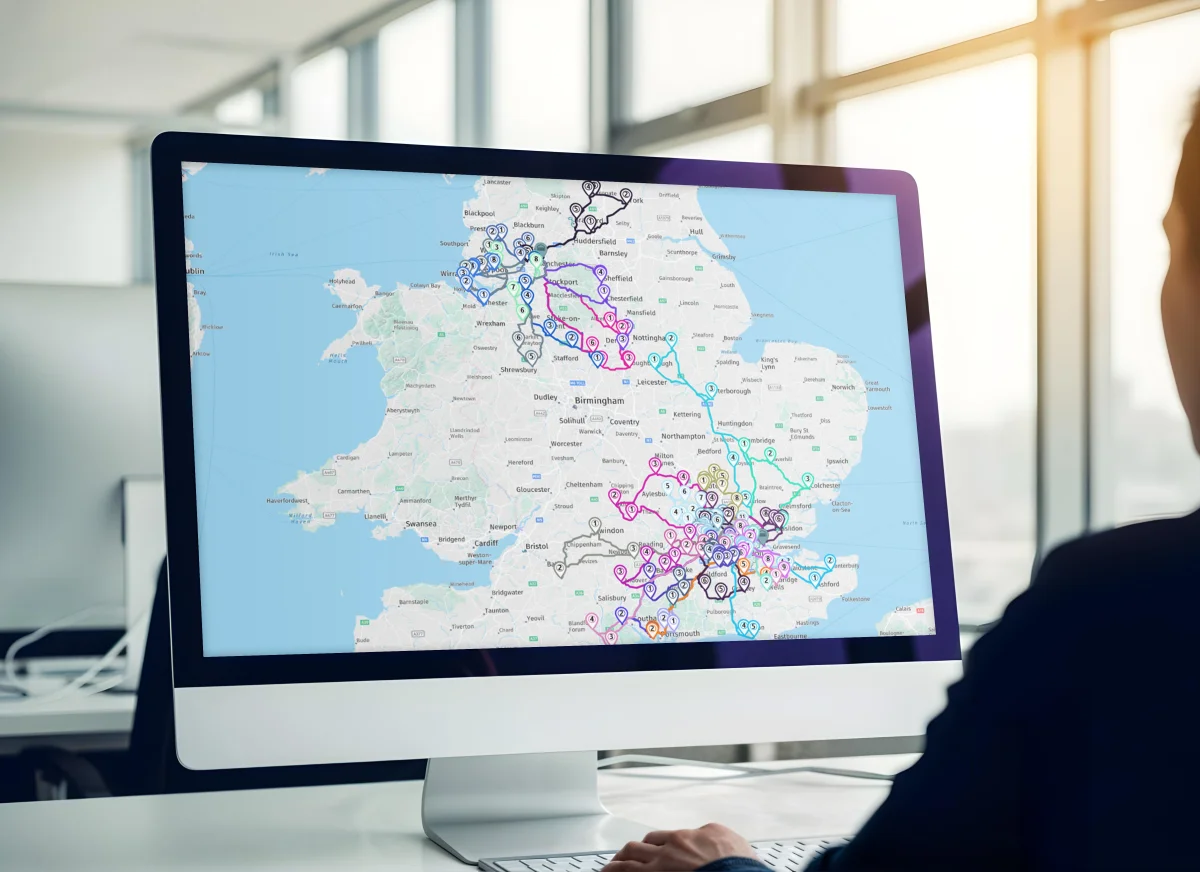
Transport software solutions have evolved far beyond dispatch and scheduling. Today's platforms combine transportation management, fleet performance management, route optimisation, telematics, compliance, analytics and AI-powered decision-making into connected ecosystems that help organisations move goods more efficiently.
For transport operators, distributors and logistics providers, the question is which combination of capabilities will deliver measurable improvements in cost control, service and utilisation.
This guide explores what transport software solutions include, how they differ from related technologies, and the capabilities organisations should prioritise when evaluating new platforms.
What Are Transport Software Solutions?
Transport software solutions are digital platforms designed to plan, execute, monitor and optimise the movement of freight and deliveries.
Rather than focusing on a single operational task, modern solutions connect multiple transport processes, including:
- Route planning and optimisation
- Fleet performance management
- Driver management
- Dispatch and scheduling
- Real-time fleet visibility
- Proof of delivery
- Transport analytics
- Compliance management
- Fuel and emissions reporting
- Customer communications
Many organisations also integrate these systems with ERP, warehouse management (WMS), customer systems and telematics providers to create a unified operational view.
Why Transport Software Has Become a Strategic Investment
Transport costs continue to rise due to increases in fuel and labour costs. As a result, leading organisations are investing in logistics software that optimises transport decisions rather than simply digitising manual processes.
The greatest improvements typically come from reducing empty mileage and fuel consumption, increasing vehicle utilisation and driver productivity, improving route planning and dispatch speed, and delivering greater visibility and more accurate operational reporting. These capabilities help organisations improve on-time delivery while controlling costs.
Rather than replacing operational expertise, modern transport platforms support planners with real-time data, automation and optimisation engines.
The Core Components of Modern Transport Software Solutions
Although every provider approaches the market differently, most enterprise fleet transportation software includes several core capabilities.
Fleet Performance Management
Fleet performance management measures how effectively vehicles, drivers and assets operate over time. It typically tracks vehicle utilisation, cost per mile, fuel efficiency, driver behaviour, idle time, maintenance performance, delivery success and fleet availability.
When connected to telematics data, these tools help managers identify performance trends and address potential issues before they disrupt operations.
Route Planning and Optimisation
Route optimisation is one of the highest-value capabilities within transport and logistics software. Instead of relying solely on planner experience, optimisation engines assess delivery windows, vehicle capacity, driver hours, traffic conditions, road restrictions, customer priorities, stop sequencing and fleet availability.
AI-assisted optimisation continuously evaluates these variables to recommend routes that reduce mileage and operating costs while maintaining service levels.
Transportation Management
Transportation Management Systems, or TMS platforms, coordinate the planning and execution of freight movements. Core functions commonly include load planning, carrier selection, dispatch, freight costing, shipment tracking, customer notifications, delivery confirmation and reporting.
Many organisations use TMS software alongside fleet management platforms because the two systems support different but complementary areas of transport operations.
Real-Time Fleet Visibility
Real-time visibility brings GPS, telematics and operational data together in a single view of fleet activity. Operations teams can monitor vehicle locations, route progress, delays, driver status, estimated arrival times, operational exceptions and delivery completion.
This visibility strengthens customer communication and enables planners to respond more quickly when disruptions occur.
Fleet Analytics
The most valuable transport software solutions now focus on decision support rather than reporting alone. Dashboards provide insight into cost trends, route efficiency, asset utilisation, service performance, carbon emissions, fleet productivity and driver performance.
These insights help organisations move from reactive management towards continuous operational improvement.
AI Is Changing Transport Software Solutions
AI is becoming embedded across transport operations. Rather than replacing transport planners, AI supports better decision-making by analysing far more variables than manual planning can realistically manage.
Common applications include predictive arrival times, automated route optimisation, dynamic dispatching, demand forecasting, predictive maintenance, capacity planning, fuel optimisation and operational risk identification.
As these models improve, transport software is evolving from a record-keeping system into an intelligent recommendation engine that helps teams make faster, more informed decisions.
Choosing the Right Transport Software Solution
Not every organisation requires the same platform. When comparing providers, decision makers should evaluate how well software supports both current operations and future growth.
Important evaluation criteria include:
Scalability
Can the platform support additional vehicles, depots and operational complexity?
Integration
Does it integrate with existing ERP, WMS, telematics and finance systems?
Optimisation Capabilities
Does the software provide advanced optimisation or simply digitise existing workflows?
User Experience
Will planners, drivers and managers adopt the platform easily?
Reporting
Can users access meaningful operational insights rather than static reports?
Configuration
Can workflows adapt as the business changes without requiring extensive redevelopment?
Transport Software Is Moving Towards Connected Operations
Historically, organisations often managed routing, fleet management, maintenance and transport planning through separate applications.
Today, fleet operators favour connected platforms where operational data flows seamlessly between systems, which enables:
- Better decision-making
- Faster planning
- Reduced manual administration
- Improved customer service
- Higher asset utilisation
- Stronger operational resilience
For many organisations, the competitive advantage comes less from any single feature and more from having accurate, connected transport data available in real time.
Transport Software FAQs
Contact us
All fields marked with * are mandatory.
Further Reading

Blog
25/11/2025
Discover 6 key technologies to look for in a last-mile delivery software supplier to improve performance, reduce costs, and enhance customer experience.
Blog
02/05/2023
12 Reasons Why Any Delivery Fleet Operation Should Use Delivery Planning Software
Blog
03/02/2025
10 Tips for Operational Fleet Efficiency with Delivery Appointments