
How do fleet operators handle big and bulky delivery complexity?
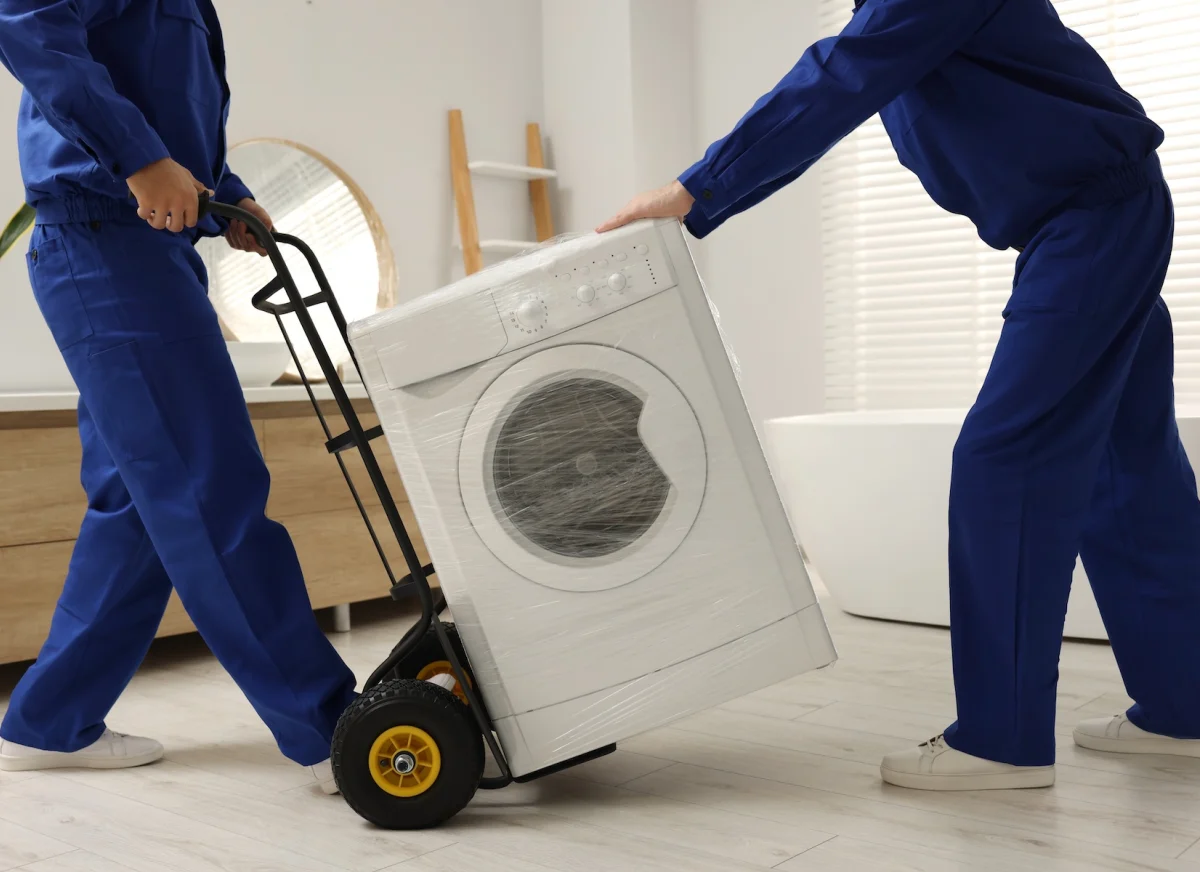
Big and bulky delivery presents a range of challenges distinct from typical parcel delivery.
Each shipment comes with differing volume, weight and service requirements. This already creates a complex routing problem before customer delivery windows are considered.
When you add customer requirements and expectations into the mix, routing gets more complicated. Buyers of large, valuable items expect to choose a convenient delivery slot that works around their schedule. If these slots don't take account of actual delivery capacity, routes end up under- or over-booked.
Here's how retailers and transporters are tackling this complexity to build feasible, profitable routes without adding more drivers and vehicles.
What makes big and bulky delivery so challenging?
First, let’s look at what fleet operators are up against.

- Differing product types and seasonality: Summer furniture might volume out before it weights out, whereas Black Friday appliances might weight out before they volume out.
- Catering to delivery customer personas: Keeping deliveries profitable while meeting individuals’ expectations for speed, cost, timeliness, eco-friendliness.
- Differing priorities day-to-day: Goals shifting between mileage, cost, profitability and customer service.
- Varied delivery types: Doorstep delivery, room-of-choice delivery and installation require different service times and driver skillsets.
- Reliance on third-party logistics (3PL): Overly optimistic batch planning can create capacity gaps, increasing dependence on 3PLs to fulfil customer demand.
These characteristics contribute to labour-intensive planning, inefficient use of capacity and unrealistic delivery routes.
Route optimisation software can help.
How are retailers and transporters responding?
These examples show how retailers and transporters are using Descartes solutions to build achievable routes, increase delivery profitability and meet customer expectations.
Home delivery provider
ArrowXL uses dynamic planning to build viable routes
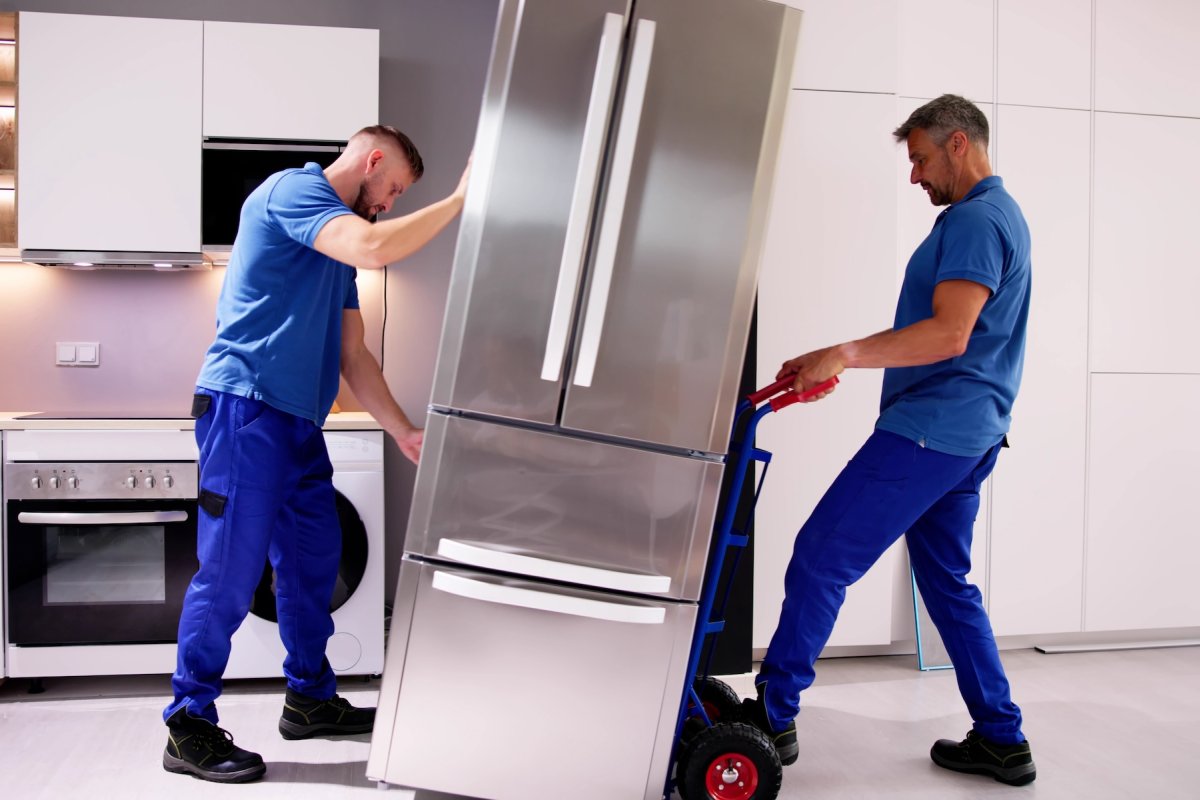
ArrowXL is a two-person delivery provider handling items such as white goods, appliances and furniture. It offers next-day, nominated day and diary booking delivery appointments, alongside value-added services such as installation.
This business has to balance vehicle capacity, national geography, customer time windows and the complexities of two-person crews.
Before working with Descartes, ArrowXL was involved in a long-running implementation of planning technology with an alternative provider. But the system did not produce logical or operationally usable results.
This resulted in uncompleted routes, higher mileage and costly repeat delivery attempts. At the same time, missed delivery windows undermined the customer experience.
ArrowXL selected Descartes’ cloud-based route planning solution to automate and optimise last-mile delivery planning.
The solution allows ArrowXL’s planning team to respond dynamically as delivery volumes enter the system, making better use of vehicles and delivery crews while creating a clearer view of available capacity.
This has resulted in:
- 13% reduction in miles driven
- 5.6% reduction in average miles per route
- Route terminations reduced from around 6% to approximately 1%
- 4% reduction in deliveries completed outside the customer’s time window
- Around 95% of the following day’s plan completed by the morning
Distribution and transportation
Stop Start automates routing to reduce planning time and deliver more with the same fleet
Stop Start is a distribution and transport provider specialising in large and difficult-to-handle items. The business supports the kitchen and bathroom sector with a national next-day delivery service in the UK.
Before deploying Descartes’ technology, the business used a team of planners to manually plan and execute deliveries. This process was insufficient for the complexities of Stop Start’s delivery operation: planning would take three employees more than four hours each day, delaying the ability to execute fulfilment.
Ultimately this meant that Stop Start’s growth prospects were constrained by manual, paper-based processes.
Stop Start researched various solutions available on the market. When the organisation met with Descartes, it was immediately apparent that there was a deep understanding of the business challenges and synergy between the two organisations.
The business implemented Descartes’ cloud-based last-mile solution, comprising route planning and optimisation, electronic proof of delivery and vehicle check systems. Stop Start realised the benefits soon after implementation was complete:
- 75% reduction in route planning time
- £450,000 per annum saving from reduced miles
- 12% more capacity unlocked from the existing fleet

Retailer with private fleet
John Lewis + Partners enables profitable, customer-centric delivery with smart scheduling
John Lewis + Partners is a leading UK retailer with products including furniture and appliances that in many cases require installation or additional services.
The retailer faced the challenge of providing customer-centric fulfilment while keeping deliveries profitable. To this end, John Lewis + Partners combined its own innovative thinking with Descartes’ dynamic scheduling solution.
Customers can select their preferred delivery slot during the online booking process. Each slot is scored for best delivery performance for the retailer, so the system can determine in real time which options to display.
Because the options are dynamically generated, they can be tailored to the customer type, size of the sale, and available delivery capacity. The customer can choose from options that meet their needs.
The system avoids under-scheduling or over-scheduling routes, because the customer is only presented with viable options. The solution contributed to the following gains for John Lewis + Partners:
- Reduced fulfilment costs by £1.8m
- Cut an average of 1 mile off every delivery route
- Created new revenue streams via premium deliveries and services
- Increased delivery capacity by 35% without increasing resources
Next steps for fleet operators
Big and bulky delivery requires fleet operators to balance more than distance and drive time. Planners must simultaneously consider vehicle capacity, service requirements, customer time windows, crew availability and profitability.
The above examples show that cloud-based route optimisation can help organisations manage these competing demands more effectively. With the right solution in place, businesses can make better use of capacity, generate additional revenue and deliver a better customer experience.
Get in touch to find out how route optimisation could increase your big and bulky delivery profits.
