
HGV Technician Shortage: A Growing Challenge for UK Fleet Operators
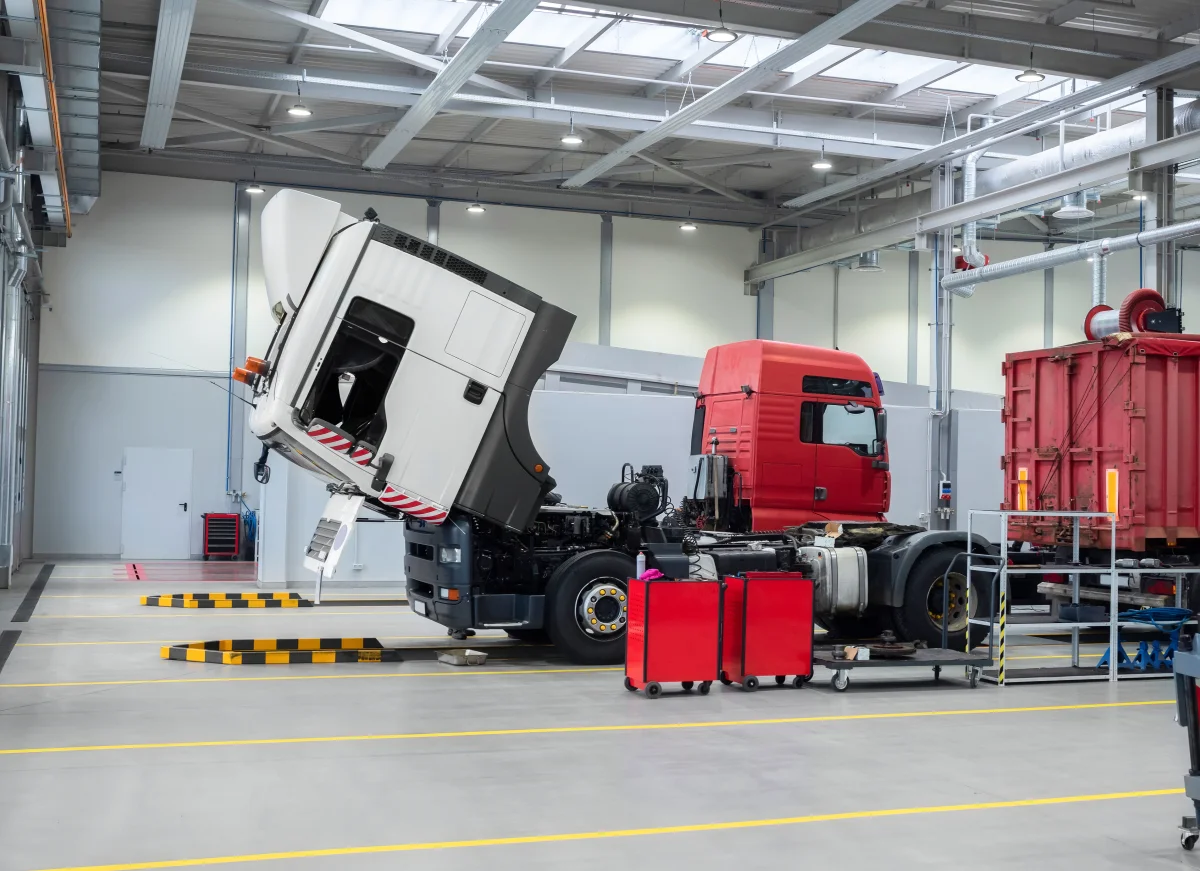
The UK road transport sector is facing another workforce challenge, alongside the long-running shortage of HGV and van drivers. Fleet operators are being warned about a growing lack of qualified HGV technicians responsible for commercial vehicle maintenance and safety.
The Road Haulage Association (RHA) has urged the UK Government to ensure road transport and logistics are specifically included in the new technical education pathways for young people from the age of 14.
Its concern is immediate as well as long term. Fleet operators are already reporting difficulty recruiting experienced technicians, while shortages are contributing to delays in vehicle maintenance and availability, making it harder to plan servicing, inspections and unexpected repairs.
Technician numbers are falling behind the fleet
According to the RHA, Britain had around one technician for every 25 HGVs in 2010. Today, it estimates the ratio has worsened to approximately one technician for every 31 HGVs.
The shortage is being made worse by limited access to training. The RHA says large areas of the UK have no colleges offering heavy vehicle technician courses, meaning some apprentices have to attend residential programmes with the additional cost of accommodation.
A wider skills challenge for fleet operators
The technician shortage underlines a broader issue for road transport: fleet capacity depends on having the right people across the operation, not just enough drivers.
When skilled technicians are difficult to recruit, maintenance can take longer and vehicles can spend more time off the road. For large fleets, that can reduce operational flexibility and put more pressure on the vehicles that remain available.
Any benefit from people entering new training programmes will take time to flow through and reach operators.
In the meantime, businesses need to focus on the part they can control now, which is how efficiently existing fleet resources are planned and used.
Making better use of available fleet capacity
Route optimisation and automated delivery schedule planning help operators reduce unnecessary mileage, cut planning and driving time, improve delivery density and make better use of the available vehicles and drivers.
This becomes particularly important when fleet capacity is constrained. More efficient routes will reduce avoidable vehicle use and help planners create realistic schedules around driver hours, vehicle availability and delivery requirements.
Technology won’t solve the shortage of HGV technicians, but it can help fleet operators make better use of the resources they already have while the industry works to attract and train the next generation of skilled workers.
Descartes’ route optimisation and fleet performance solutions help logistics-intensive businesses improve planning, increase productivity and make better use of available transport capacity.
To talk to one of our logistics experts about improving your fleet productivity and route planning, complete the contact form below and we will be in touch.