
Beyond Load Building: The First Steps to Better Routes for Builders’ Merchants
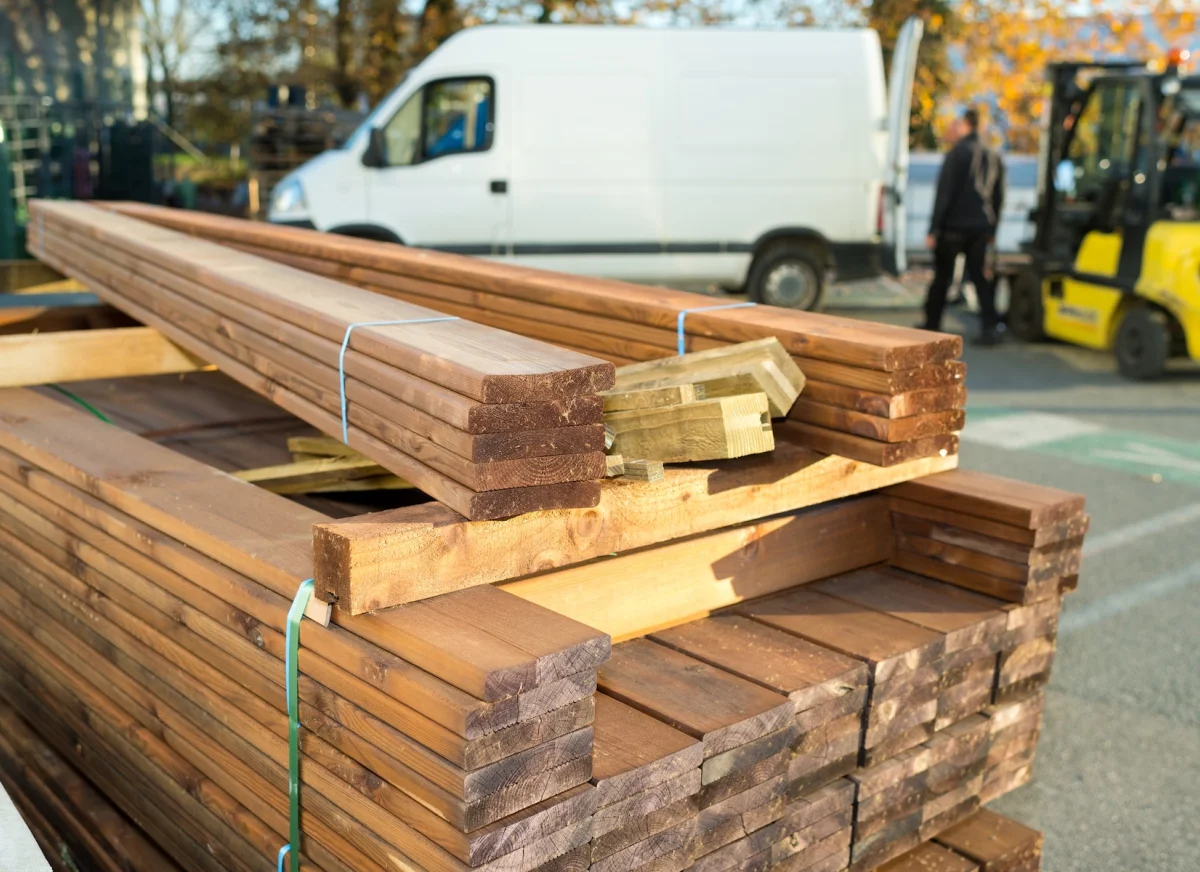
For builders’ merchants, delivery route planning is rarely straightforward. Stackability challenges, custom-made items and incomplete data get in the way. Yet routes are still needed for deliveries to go out every morning.
If only every product had perfect dimensions, weight and stacking rules, planning would be easy!
But merchants don’t live in that world. And waiting for perfect data can become a blocker to more efficient routes.
The good news is that you can start building better delivery routes without perfect product data.
Where Does Route Optimisation Fit In?
There’s an assumption that if you’re using route optimisation software, it should produce a plan that doesn’t require any human intervention.
This expectation stops many builders’ merchants from considering route optimisation software at all: what’s the point if you don’t have perfect data to create a flawless plan?
Instead, planning falls back on experience, local knowledge and gut instinct.
Routes feel “OK” and goods get delivered, but planning is time-consuming, vehicles go out half empty and delivery slots are hit-and-miss.
The reality is that route optimisation doesn’t replace human planners. The real value lies in creating a much more efficient starting point than a manual plan.
Even with imperfect data, Descartes’ optimisation engine can consider variables like vehicle capacity, delivery priorities, product compatibility rules and site opening hours. Keeping these constraints in play, software can produce a plan that minimises costs without breaking service agreements.
From there, human route planners have full control to adjust the plan based on product nuances. The result is a more cost-effective plan from the outset, without asking planners to start from scratch.

Where Does Route Optimisation Shine?
Route optimisation can take rules that exist in planners’ heads and apply them at scale, all while adhering to delivery windows.
Examples might include:
- Tier 1 customers take precedence over smaller sites.
- Aggregates and plasterboard can’t travel together.
- Hardcore needs to go out first thing in the morning.
- Certain stops require specific vehicle types like Moffet trucks.
Imagine you have 10 vehicles available and 50 deliveries to plan. A human planner might default to putting five deliveries on each route.
The optimiser might see that it’s actually possible to use only eight vehicles. And if it’s not possible to make Tier 1 customers the first stop every time, it may still be possible to service them all before 9am.
Once the optimiser creates a baseline plan, a planner can make adjustments to better account for product dimensions.
Optimised Planning with Human Oversight
U.K.-based distributor of specialist building products SIG was looking to increase delivery capacity and improve On-Time In-Full (OTIF) performance. The business selected Descartes’ last-mile delivery solution to increase routing efficiency. As SIG’s Head of Programme explains: “We are much quicker at delivering a system-based plan that's been finessed and has been given some sort of oversight by an individual rather than completely produced on paper [...] So we're getting more deliveries out the door and our plan is more efficient, more accurate, and we're able to stick to it.”

In the U.S., Richards Building Supply was aiming to move from whiteboard-based manual efforts to technology-optimised routing.
“We currently are using Descartes to route more efficiently by using the map view, by using the data that we can see, the weight of what the routes consist of, the quantities, and the locations.
“The difference for us is [it is] a lot more efficient and faster to create those routes and we end up [...] creating more deliveries in a day,” explains Jenny Vetter, Logistics Manager, Richards Building Supply.

What to Look for in Route Optimisation Software
Route optimisation software can offer plenty of ways to build a more efficient baseline. Here are some capabilities to look out for:
- Optimising for cost, distance, time, number of routes, and other variables like approximate weight and dimensions of building supplies whilst honouring delivery windows.
- Handling complex business rules such as tiered customers and specific rules for different product types.
- Allowing planners to add or moving stops without breaking existing routes.
- Highlighting the impact of manual changes, such as broken capacity rules.
- Providing detailed visibility into each delivery including all products, weights and dimensions, allowing planners to make confident adjustments.
Getting Started with Route Optimisation
Manually planned routes may get the job done, but they are almost certainly leaking money. Under-utilisation of assets and unnecessary mileage add up and erode profits over time.
Route optimisation doesn’t remove planners from the process or model every load perfectly. Instead, the software helps planners to start from a stronger position.
For builders’ merchants, the first step to better routes isn’t perfect load building. It’s using route optimisation to deliver meaningful gains today.
Get in touch with Descartes to start building cost-effective routes.

Conor Baker
Senior Account Executive
Transforming Fleet Operations & Last-Mile Customer Experiences.
Posted: 06/02/2026 | Category: Logistics Industries
